
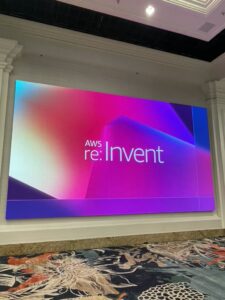
Five years. That’s how long I have been planning to be at my first AWS re:Invent. Five years of working with AWS tools, taking certifications, working in challenging projects, all that would eventually lead to Las Vegas in December 2025.
After waiting and hearing so much about the event, seeing it with my own eyes for the first time is impressive. Like any major experience that I have (a big trip that happened, a new project that I completed), I enjoy taking the time and putting in “paper” the main things that worked or that could be improved.
This list could be useful for others, especially for those who want to join the event for the first time. Keep in mind that this list may be a bit “basic” compared to references from other people that went several times. I tried to bring a beginner’s view as much as I could.
Getting Around and Making Connections
It is expected for re:Invent to be huge, but seeing that in the main hotels is incredible. I took some steps, and I walked an average of 15k steps per day (I think that was even lower compared to some of my colleagues). In my backpack, I used to take several things: a laptop in case I needed to reply to someone at work, an one littler bottle of water, and two power banks. Although the hotels have enough outlets, it is always a good idea to have backups in case all the space is full, and you need to reply to an urgent email or something similar.
Pro tips: Wear comfortable shoes, avoid taking an extra load of weight in your backpack, but plan for backups in case something happens (like a large bottle of water).
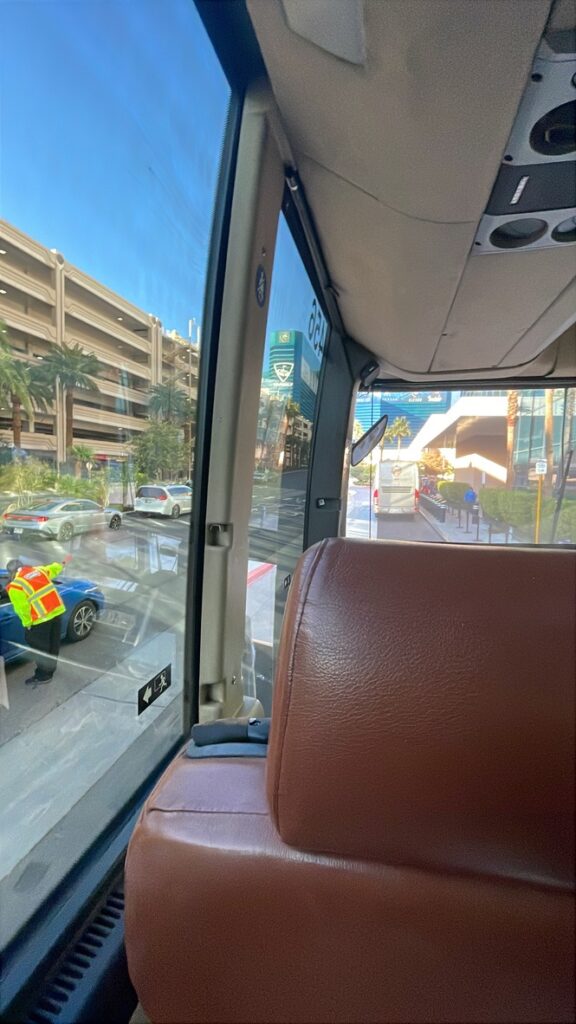
On the first day, I talked with an AWS guide in the hotel, and he told me that the people attending the event had a few options to go to the venues:
- Take the shuttle going from one hotel to another, provided by AWS itself
- Take the monorail, which does not go to all the hotels, but it can be faster depending on the traffic and the place you want to go.
I took both options, and it was a great experience, but I have to admit that the shuttle is way more convenient since you will have that kind of transportation leaving frequently and dropping you in the exact spot to enter the event.
Pro tips: Check the transportation options that are provided, so you can save some money and have a smoother traffic over the city.
While I do appreciate the technical environment that re:Invent provides, I have to admit that the event also gives a valuable experience to talk with other amazing people. You can connect with AWS experts who maintain the products that you use (for example, after a session), you can know more about the programs that AWS has, like Community Builders/Heroes, you can go to dinners/parties that are available (after registration), and talk with people in the industry. Outside, of course, the end of the event party is a huge event in itself. I talked with new people while in the shuttle, or waiting in line for a session. There are many opportunities to connect and share experiences with new people, so be open since day one.
Pro tips: Go beyond the technical aspects of re:Invent and take opportunities to connect with folks outside your team/company.
Session Strategy
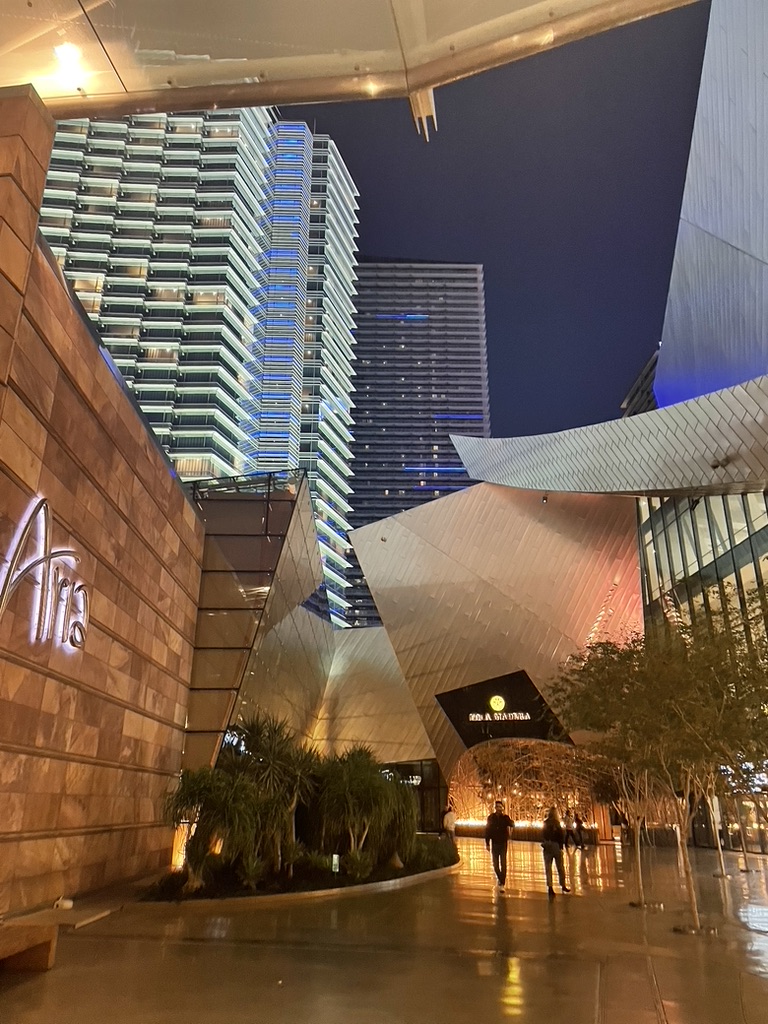
Hotels are of a massive size, and there were a bunch with active sessions in them. From the Venetian, Caesars Forum, MGM Grand, Mandalay Bay, and several others. It is expected that going from one hotel to another can take around 15 to 30 minutes of walking (depending on the hotel). And this walking difference may cause you to lose a few sessions. My main suggestion is to use some additional resources to plan before the registration even starts:
- Official AWS re:Invent site – Here is where you will actually select your sessions and submit for a seat in them.
- Unofficial AWS re:Invent planner – This one is particularly useful to match specific talks on specific lists, so you can put a priority (for example, I created a list of AI/DATA/ML/NETWORKING, and later on, I was able to check availability in the hotel that I was planning to stay in that day based on the list/topic that I selected).
Pro tips: Plan your sessions, aim to schedule the talks in the same hotel on the same date to reduce transportation time.
One important detail of this year, the registration opened 15 to 30 minutes before the announced time (not sure if that was a bug/feature). I got notified by some coworkers that the sessions were open and that we should take a look. I know that I was lucky there, because I was able to register for all the sessions that I planned initially. But it is a big learning for next year in case something like this happens again.
Pro tips: Check the date and time that the registration will open for the talks, and stay available between 30 minutes before until the time that the registration opens.
If you’re not able to register for a seat at the talks you wanted, one option is to aim for a particular talk and wait in line before it starts in the event itself (like 20 to 15 minutes before). The organizers of the event will release registered seats a few minutes before the talk starts. Just expect that this may not work all the time since some sessions are really in high demand and may be hard to get into.
Pro tips: You can still grab a seat in a session/talk if you were not able to register before, by waiting in line at the hotel and hoping to get a spot there.
Making the Most of Your Time
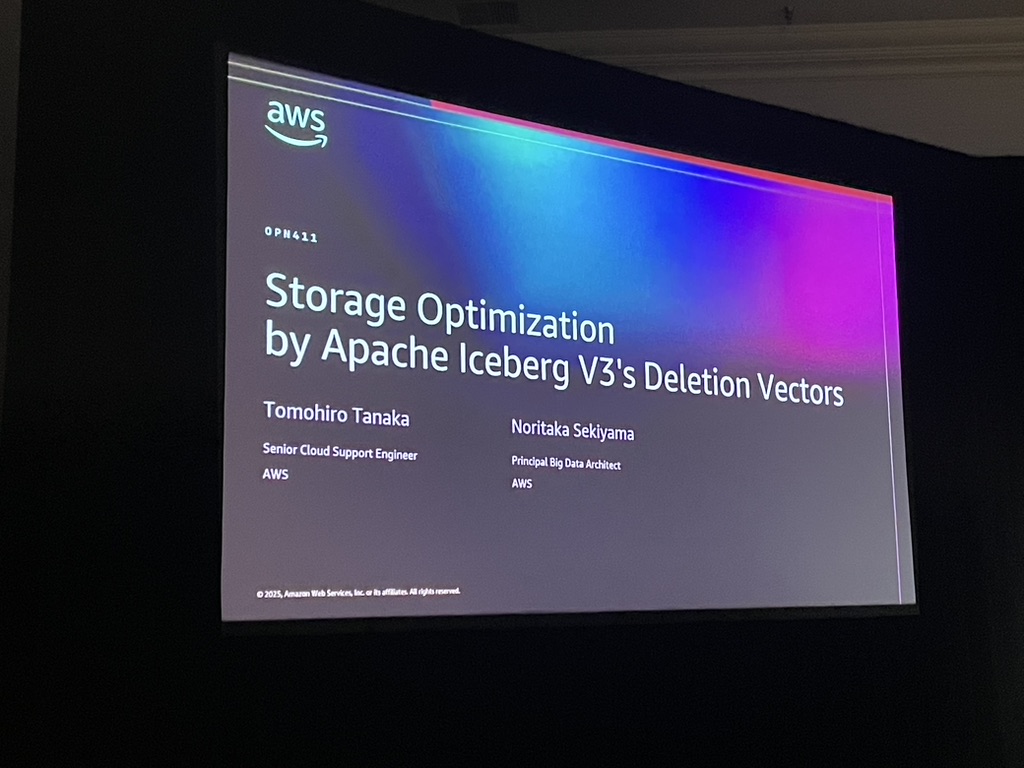
This one may be more specific from my own way of doing things, because I love to take notes, but I feel that writing down while watching the talks is very effective. There are several ways to do it, in the sessions I saw: writing notes in an iPad on Apple Notes, using pen and paper (like me, but I do not intend to share a photo of my notebook, since my handwriting sucks!), using an e-Ink tablet like reMarkable, taking photos of the lecture, and others. It doesn’t matter your method, but I do recommend that you take some notes so you can revisit that information later.
Once you have your notes for the day, I recommend going over what you wrote and try to review that. I believe that the average person will take around 10 talks in re:Invent in the 3/4 days of the event. That can compile to several hours of content or even thousands of words typed/written. Which can easily be crammed and become a small “beast” to review once you go back from the event to your routine.
I used to review the content once the day ended, while I was in the hotel resting, or the next day while waiting between sessions. Ideally, I would see what I wrote, maybe put in a digital way like a markdown file in Obsidian, and review the main products/tools that were presented, maybe even a POC to test the elements of the talk that I saw. This is quite useful to take advantage of the moment and the place that you are, so you can experiment and have more hands-on experience, while the knowledge is still fresh.
Pro tips: Take notes in whatever way you prefer. Review your notes later and try to put the knowledge that you saw in the previous day/talk into practice, doing small POCs and experimentations.
There are several talks at different levels of expertise. Even with planning, it is important to understand that some talks may not meet your expectations. Maybe you worked with that tool before, or the content was not engaging enough; it happens. The best option here is to understand that it is okay to get up and walk away to maybe participate in another session. Just do it respectfully, so the speaker(s) and the audience can still enjoy the talk.
Pro tips: If the content of the talk is not ideal for you, it is okay to (respectfully) get up and leave. You may still find other sessions that are interesting for you in the same hotel.
Worth it?
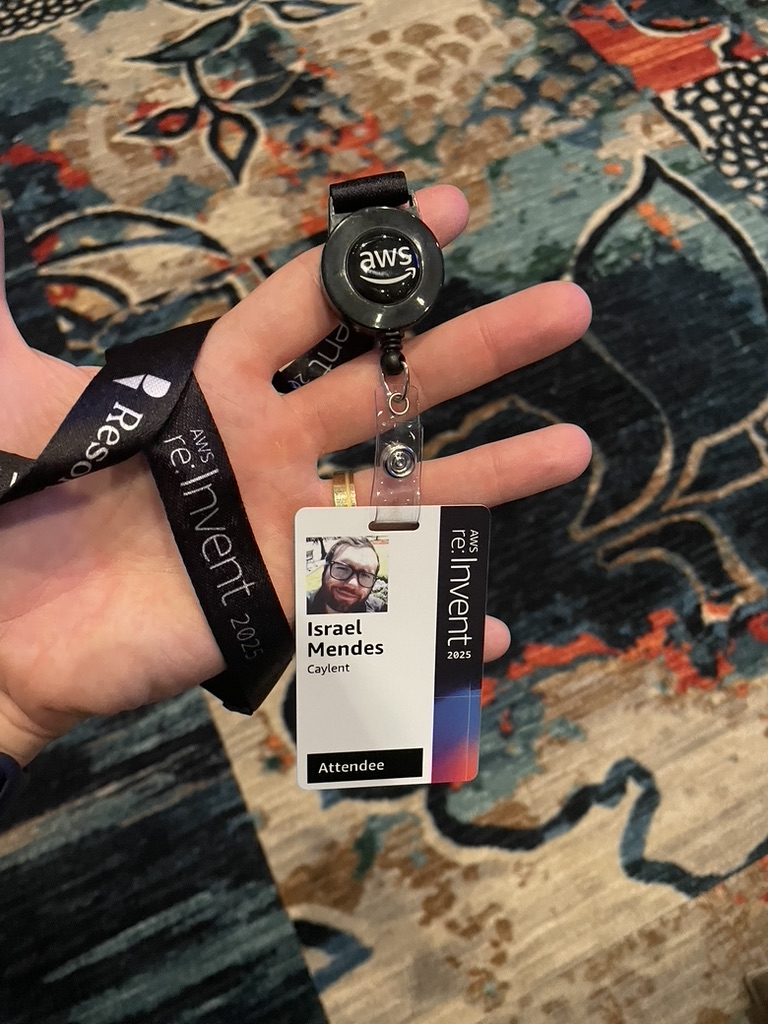
Yes! re:Invent delivered everything I hoped for and more. I got to check new technologies, talk with product people from AWS, and connect with other great engineers and architects. I left the event with more than 30 pages of handwritten notes, but a lot of learnings that I intend to apply soon enough.
My company, Caylent, made this trip possible, and I’m grateful for that. If you’re considering attending re:Invent, go. Plan your sessions, take notes, and actually use the knowledge while it’s fresh. The conference gives you the material, but it is more useful if you apply it while you are in that incredible moment.